The Mission to Seafarers supports men and women working at sea around the world, offering practical, emotional and spiritual care. The charity has served seafarers visiting ports along the Bristol Channel since 1836 and has several links with the Diocese, including a dedicated chapel in Bristol Cathedral. Supported by Anglican churches nationwide, the organisation is passionate about building closer ties with local parishes as it shares the love of Jesus with the diverse community passing through our ports. We joined the team for a morning to see their work in action and hear about how churches can get involved.
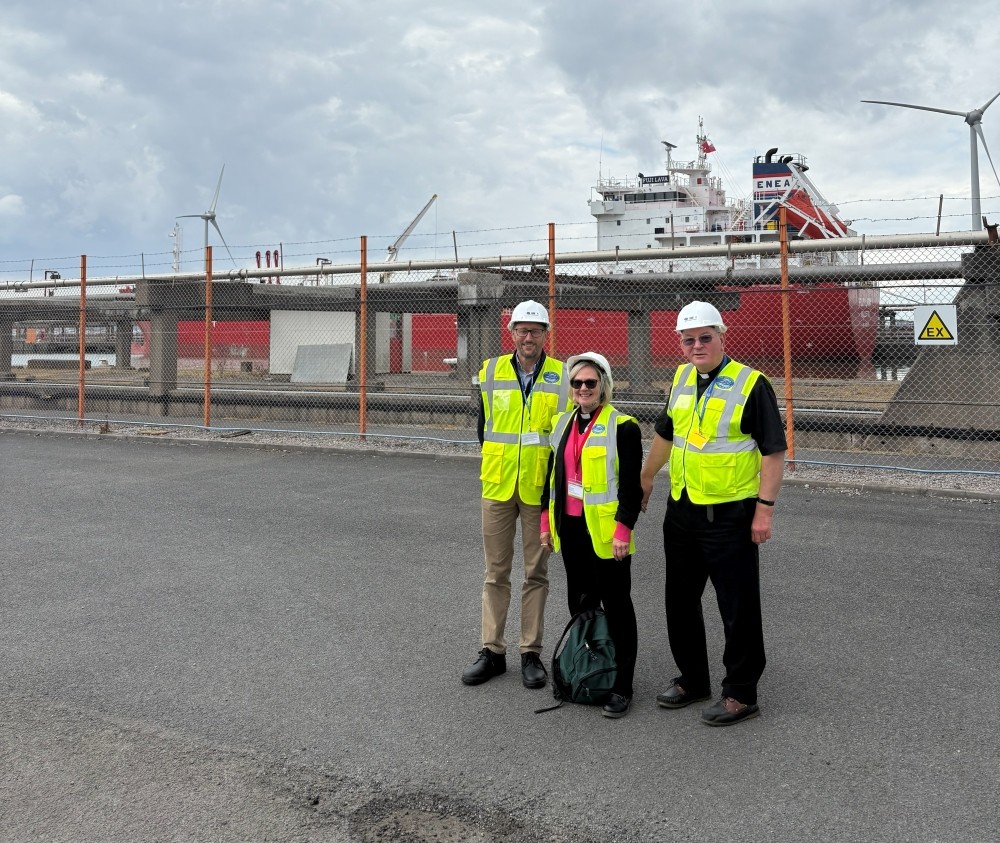
We started the day at the Avonmouth and Portbury Seafarers centre, a welcoming space for crew members to spend time off the ship, rest, connect with loved ones, play games, and receive support and prayer.
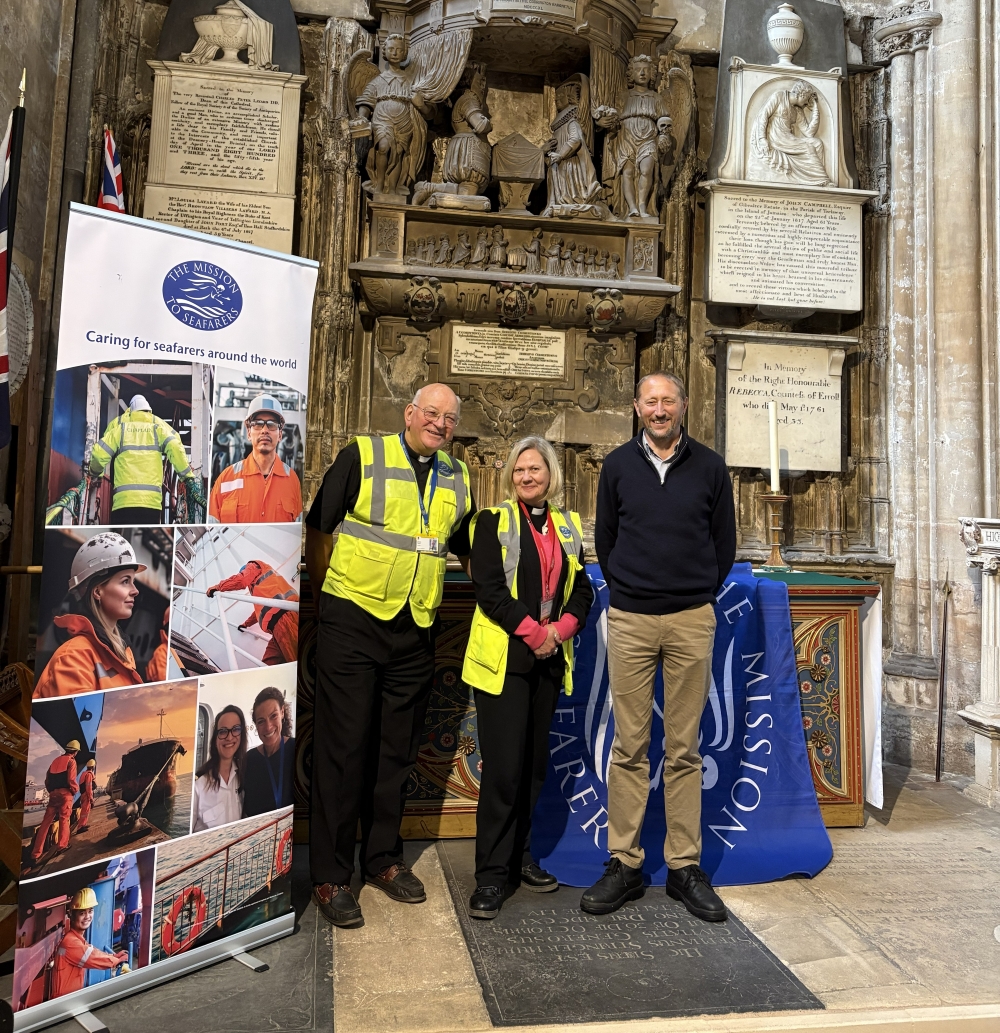
We spoke with Revd Jeremy Hellier and Revd Lucy Blows about what Mission to Seafarers does and why it matters.
What do you do in your role as a Mission to Seafarers' chaplain?
Lucy: “We visit all ships that come into port, primarily to check the welfare of the Seafarers. From that visit, we can ascertain if there are any welfare issues and, if so, we advocate on behalf of the seafarers and contact the relevant authorities, such as port police, border force and the International Transport Workers' Federation (ITF). We provide a friendly face of someone who genuinely cares for the seafarers. We may then also offer a listening ear, take them to the shops, train or bus stop, and support visits with family. In addition, we can provide Bibles, crosses, rosaries and prayers, as well as books, hats, and toiletries.”
Why is the job important?
Jeremy: “Imagine a supermarket where 95% of the shelves are empty. That proportion of everything you use comes to you by sea. Simple self-preservation of our lifestyle suggests we need to look after our seafarers. Much more than this, all human beings deserve to be treated well and what we do as Chaplains mirrors how Jesus went about his ministry. We go where people are, we don’t wait for them to come to us. As a model of ministry, this parallels what we read in the New Testament.”
What are some of the common challenges Seafarers face?
Jeremy: “Injustice, bullying, racism, poor or no wages, irregular payments, modern slavery, long periods away from home, lack of shore leave, it’s a long list. Working conditions are governed by the Maritime Labour Convention of 2006, but not all countries are signatories. Enforcing this is an ongoing task. Loneliness, isolation and storms at sea all add to the seafarer's issues. Whilst contracts are limited to a maximum of 10 months, that’s a long time if you can rarely get ashore or communicate with home. Shipping companies are highly variable in their approach, some are very good, but others place little value on their personnel.”
What are you able to do to help them?
Jeremy: “Chaplains are often the eyes and ears that pick up problems when ship visiting. I am driven by a strong sense of courageous advocacy modelled on how Jesus worked for the poor of his day. Each port has a welfare committee that brings together various agencies. These include the Port Police, Border Force, the Marine and Coastguard Agency, our Harbourmaster and his staff, Port Health, and the various welfare organisations. This means we can coordinate an appropriate response to issues even though we have no statutory powers ourselves. We provide practical, spiritual and pastoral care, provide transport, and can help arrange repatriation if necessary. All our ship visits are recorded in an app used by Chaplains in the world, so if we can’t solve a problem whilst the ship is in our port, the next Chaplain can pick it up.”
Do any stories from your work stick out to you?
Lucy: “There are many! Here is one:
“When visiting a ship, two of the seafarers admitted that they were not allowed shore leave or access to Wi-Fi. When I asked if there was anything else they needed, they said cake! I went and bought several cakes, chocolates and sweets and contacted the ITF. A visit from the ITF led to shore leave and we were able to give them SIM cards so they could contact their families, which led to a much happier crew!"
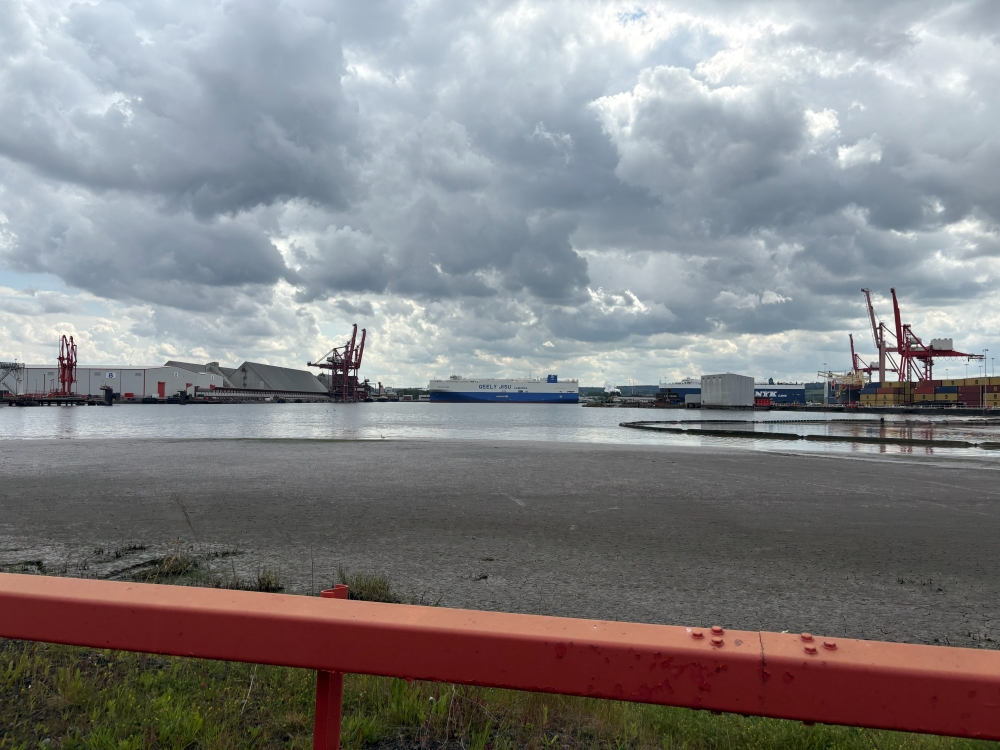
After speaking in the Seafarers centre, we then headed out to visit a ship in Avonmouth Docks, an oil tanker flying a Maltese flag.
The seafarers on the ship were from several different countries, including Goa, Syria and the Philippines. Different crew members had been at sea from two weeks to four months. The chaplains asked whether they were being paid, if the food was good, if they had had shore leave recently and if they had WIFI to contact home. The crew responded that they were being treated well but, unfortunately, they were unable to have shore leave whilst they had been in Avonmouth because they had to fix an issue with a leaky valve the day before.
One crew member shared that he has a brother living near Avonmouth whom he rarely has the opportunity to see. During this visit, he had been unable to arrange a meeting because he had been busy assisting with repairs to the valve. He was also unsure how to organise access for his brother to enter the port so they could spend time together. Revd Lucy gave him her contact details and offered to help arrange for his brother to be admitted to the port, so they could meet at the Seafarers’ Centre the next time he is in Avonmouth.
We then spoke to some other crew members, checking that they were also being treated well, before leaving them with some prayer materials and heading back to the Seafarers centre.

The team at Avonmouth and Portbury are seeking to develop connections and partnerships with churches in the Diocese of Bristol and there are several ways to get involved.
-
Sunday, 12 July, is Sea Sunday across the Church of England and the charity have resources including sermon outlines, children's resources, prayers and posters available through the link below.
-
For those who would like to get involved practically, the team are looking for new volunteers to get involved and would love to hear from anyone interested via the email address below.
-
Mission to Seafarers centres give out woolly hats and fingerless mittens, which keep seafarers warm during cold days and nights at sea. You can find knitting patterns and details of where to send your finished work at the link below.
-
The final, and most important way you can get involved is to pray. Specifically, for seafarers, their families and all those who support them.
If you would like to learn more, the team will be speaking at the Cathedral Evensong service on Sunday, 18 October. They would also be delighted to speak at your church, and you can arrange this by getting in contact via email.
Get involved: Lucy.Blows@mtsmail.org