During the recent Diocesan Pilgrimage (20th – 27th May 2026), the planting of seeds became a powerful and memorable symbol of hope. Theologically, it expressed the pilgrims prayer for Kingdom growth: small, hidden acts entrusted to God in the hope that they would take root, flourish and bear fruit in time. It also offered a practical reminder that church grounds are not simply spaces to be maintained, but living places of witness, welcome and renewal.
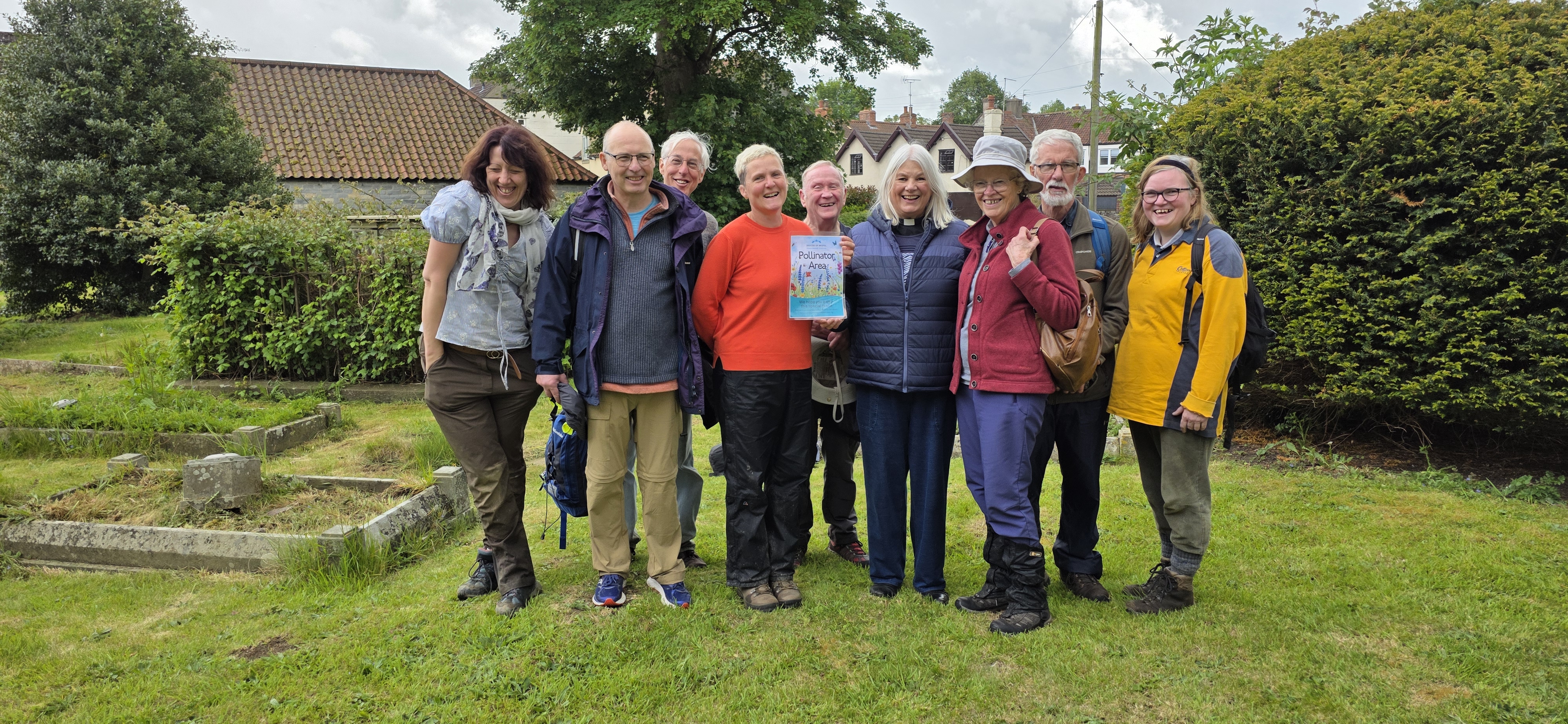
As pilgrims travelled from place to place, this simple action connected worship, prayer and discipleship with the soil, communities and landscapes through which the pilgrims walked. The plaques left behind now mark the route and serve as a lasting reminder that care for creation is central to the Church’s witness to the God who creates, sustains and renews all things.
Environmentally, the Pollinator Pathway gives churches, schools and community groups a practical way to diversify church grounds and contribute to biodiversity across the Diocese. A Pollinator Church or Pollinator Site is a place where people and nature flourish together. By creating space for wildlife, supporting biodiversity, and bringing communities together, it helps tackle climate change, strengthen local connections, and care for creation for future generations.
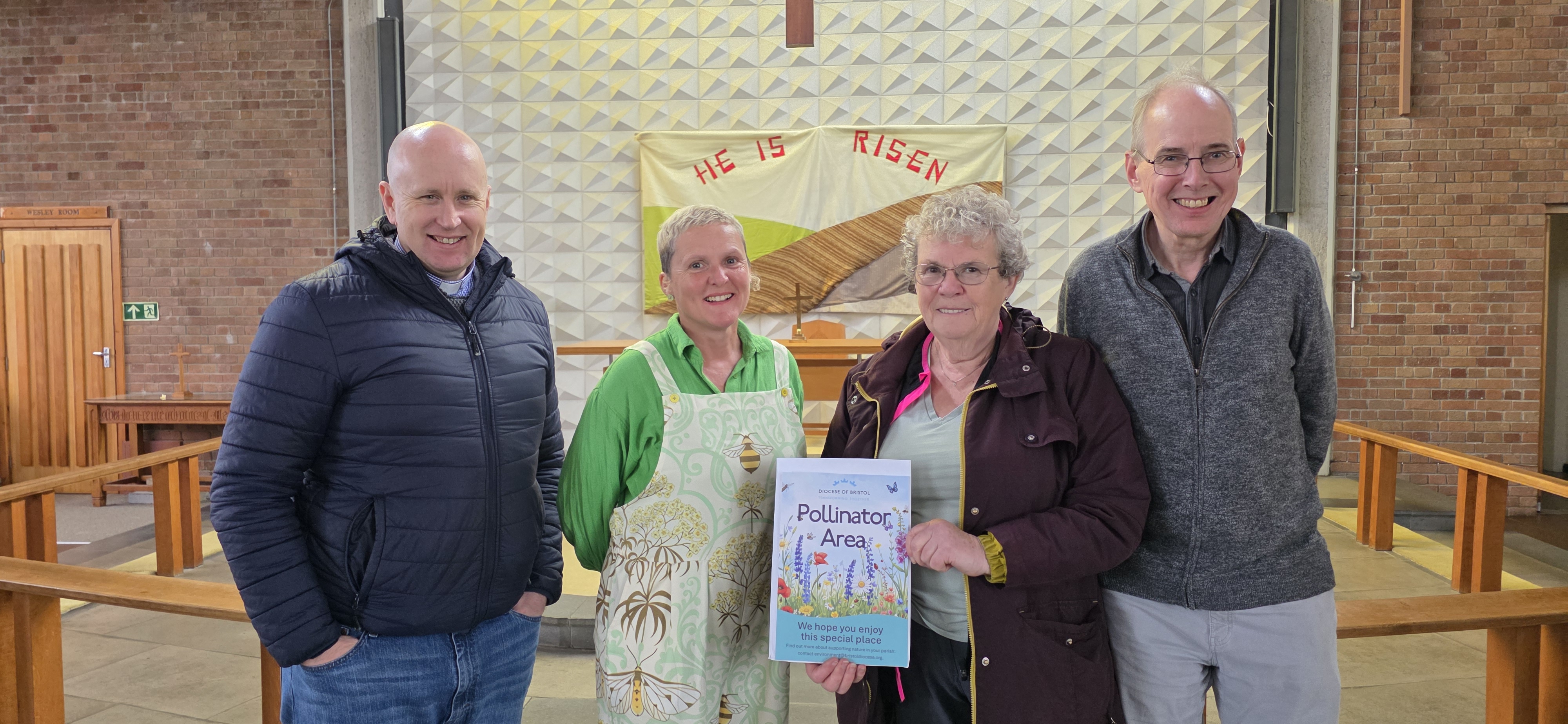
By allowing areas to become richer in wildflowers, grasses, shrubs, trees, hedgerows and undisturbed habitats, churches can support pollinators and other wildlife while demonstrating visible, joined-up care for land and nature. More than 50 churches have already committed to caring for pollinator habitats, creating a network of local sites that can strengthen ecological resilience, encourage environmental learning and show how even small areas of land can become part of a wider living corridor.
This diversification of church grounds brings together theological conviction and environmental practice. Guidance for increasing biodiversity was aligned with the Eco Church Land and Nature Resources, helping churches to evidence action towards accreditation with Eco Church, while grounding that action in the wider calling to care for God’s creation.
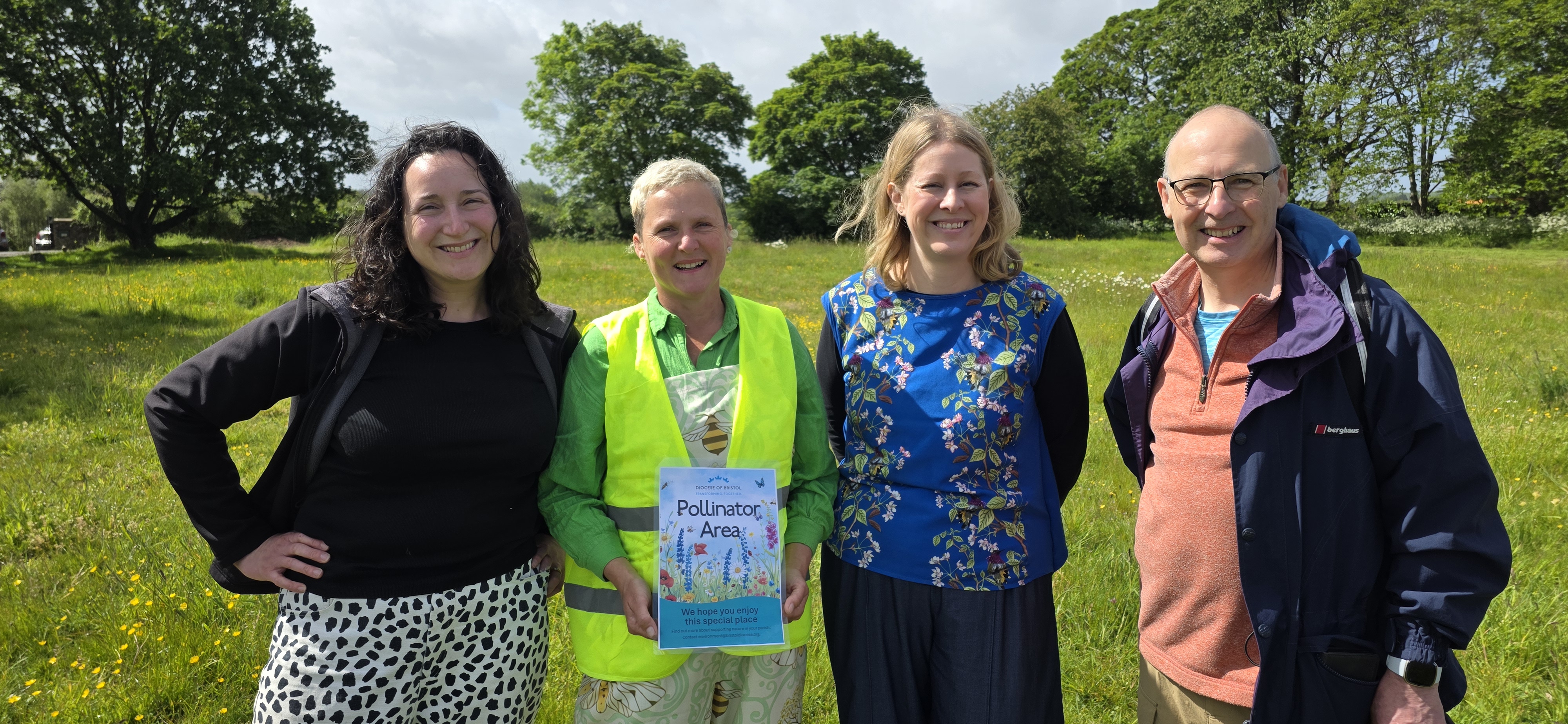
A more diverse churchyard or garden can become a place of prayer, learning, hospitality and encounter, opening church spaces to wider community participation. Gardening, habitat creation and land-based activities can offer opportunities for social inclusion, shared learning, wellbeing and food resilience. In this way, the Pollinator Pathway becomes both an environmental commitment and an expression of discipleship: a practical response to God’s generosity and a sign of hope for local communities.
The initiative has also encouraged cross-pollination between churches, schools, community groups and multi-faith organisations. These seeds of relationship can grow into greater participation, knowledge sharing and stronger nature connections, helping each site to become both ecologically richer and socially more welcoming. The planned Diocesan Map of Pollinator Sites will further strengthen this work by identifying participating locations and promoting each site’s distinctive features, enabling local examples of good practice to inspire others.
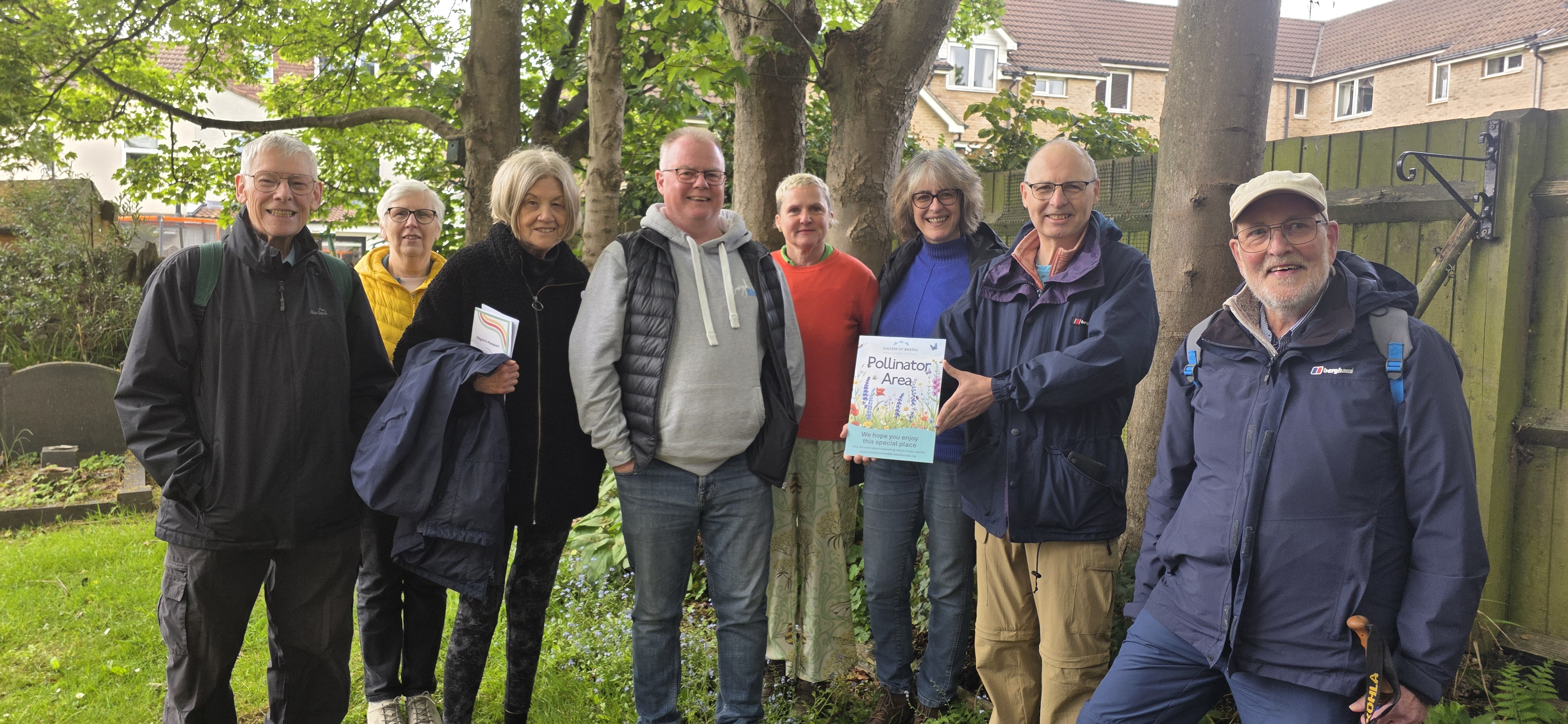
Partnerships with Wildlife Trusts and South Gloucestershire Council are also being explored. These relationships could help churches play an impactful role in creating connected areas of biodiversity, linking ecological restoration with social benefit and supporting local resilience against climate-related threats such as flooding. Diversifying church grounds therefore offers value far beyond individual sites: it strengthens mission, deepens community engagement and helps the Church contribute visibly to the healing of creation.