The Diocese of Bristol are thrilled to be partnering with South West Youth Ministries (SWYM) in supporting children, young people and families (CYPF) work across the Diocese.
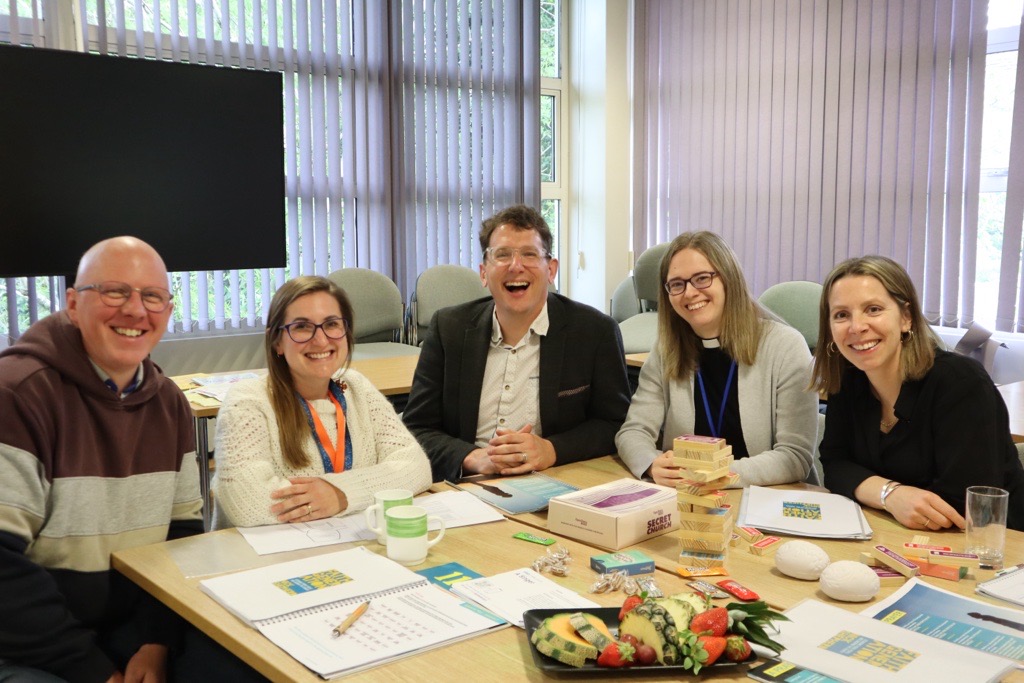
As part of this new partnership, the Diocese and SWYM are currently celebrating the first cohort of clergy to begin the training programme ‘Launchpad’, a youth work course developed by national charity Youthscape. The programme is designed for clergy whose parishes currently have little to no youth work but have a heart to develop in this area. Clergy have received a parish visit to understand their context and have embarked on five training sessions, ending with a celebration service to share their vision with significant stakeholders from their community alongside Bishop Neil and other diocesan staff.
Gathering over lunch at the Diocesan offices, clergy have been dreaming and planning how they might pioneer new initiatives to make connections with young people or deepen existing ones within their parishes.
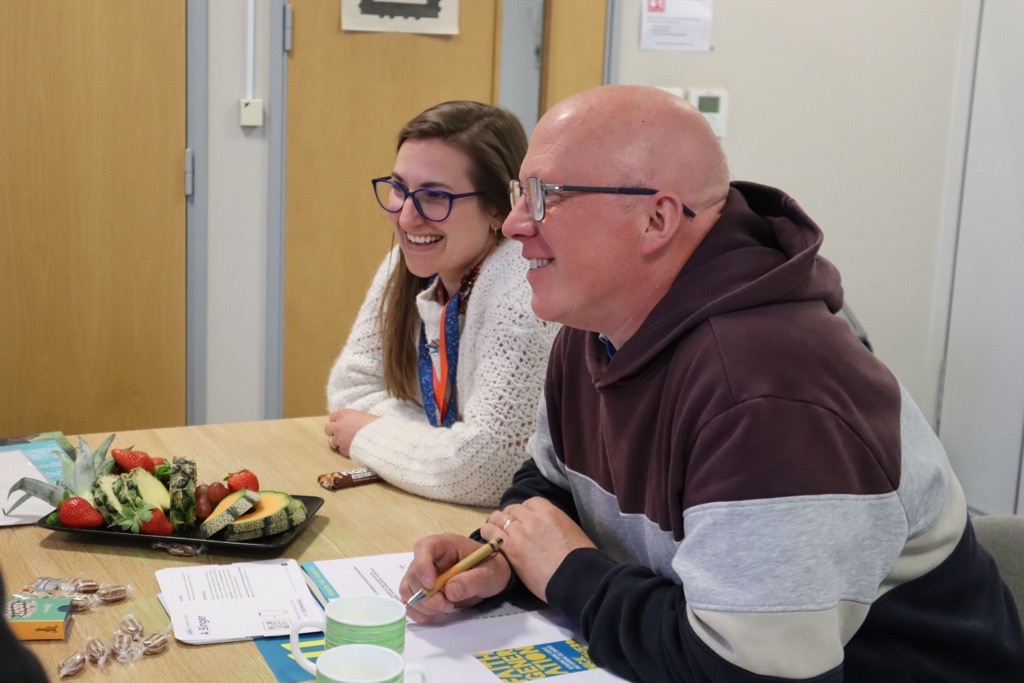
Kath Smith, SWYM and Diocesan CYPF Advocate, said: ‘'So far, attendees have explored the world of ‘adolescence’ in 2026 as well broadening their understanding of adolescent brain development. Clergy have shared personal reflections from their own teen years, ranging from unusual clothing trends to the influence of youth workers who played a significant role in shaping their journey. This is such an exciting time as the group continues through the remaining four sessions, deepening their heart for young people to experience the love of Jesus.’'
Rev’d Sarah Hancox, Vicar of St Luke’s Brislington, said: "Launchpad has been a great opportunity not just to learn and plan together but also to meet others with churches in similar situations currently little or no youth work, and share support and encouragement. It's showing us that from tiny beginnings great things are possible."
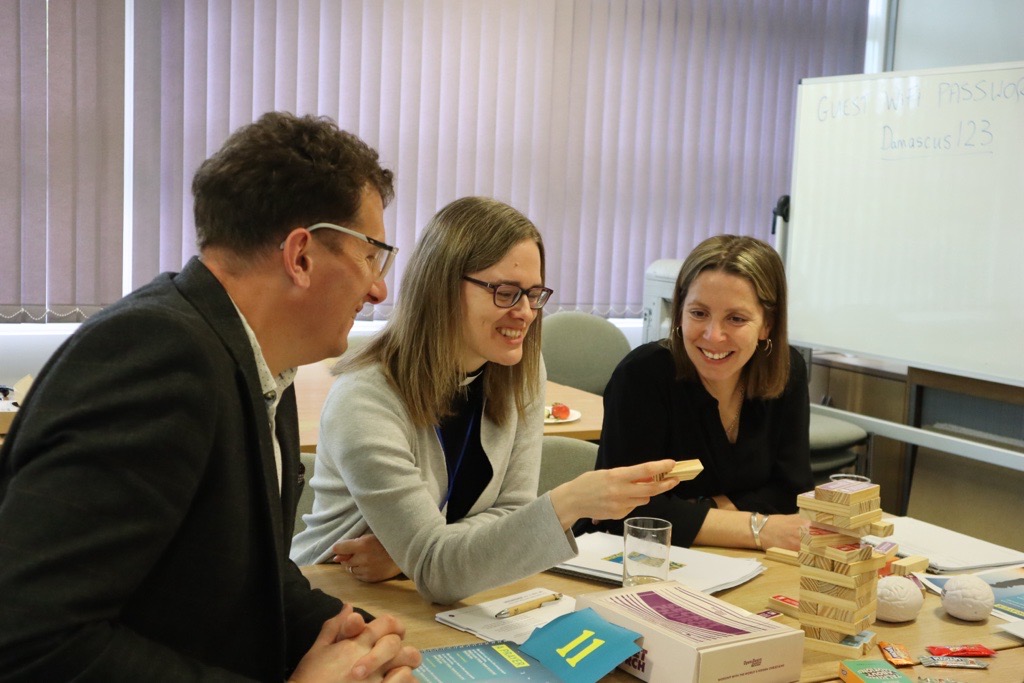
Rev’d Neil Shepperd, Vicar of St Michael, Windmill Hill and St Francis, Ashton, said: “Our first two sessions have been really helpful to take time to reflect on the needs, and brains, of the young people in our communities. Whilst we seek to grow new connections with young people in the wider community, I was really challenged to ensure that we don't forget to make their presence known within our worship services and governance. For example, are we regularly praying for our young people, their families and schools in our prayer times and intercession? Or, like we do with safeguarding, do we have youth and children as a standard item on our PCC agendas even if we only use the time to pray for them? I am really looking forward to the sessions to come and identifying the opportunities we already have to develop our work with youth.”