Recently, several churches were recognised for their outstanding achievements in transforming church grounds for nature and wildlife. These awards, presented at the annual seminar hosted by the Wiltshire Wildlife Trust Living Churchyards Programme, celebrate churches that are demonstrating how historic churchyards can become thriving havens for biodiversity while continuing to serve their communities.
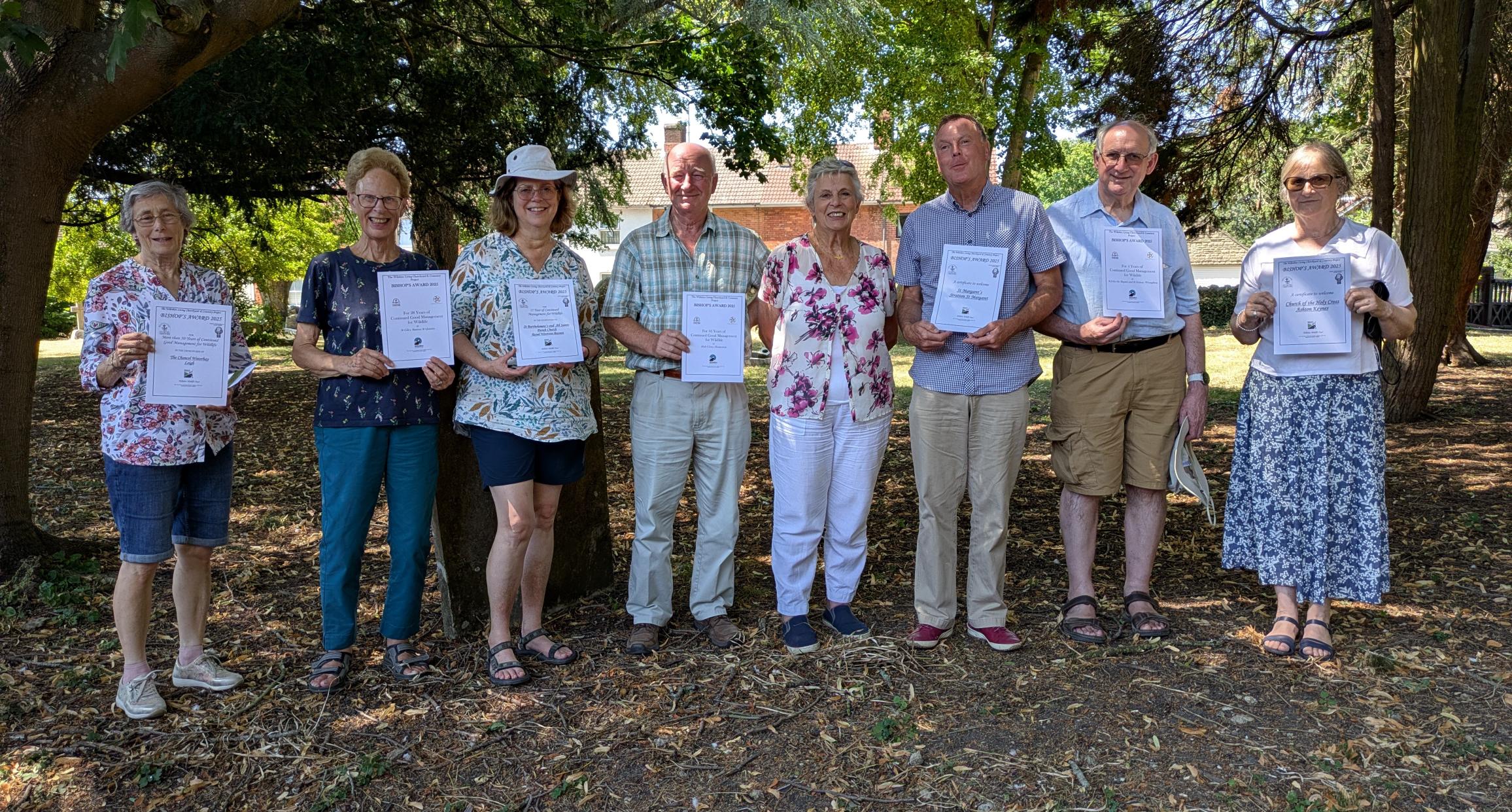
Across the Diocese, churches have been working closely with Ivan Randall, whose expertise and encouragement have helped many congregations reimagine their church grounds. Through practical advice on land management, habitat creation and wildlife-friendly maintenance, Ivan has supported churches in creating spaces where birds, mammals, insects and wildflowers can flourish.
Churchyards are uniquely placed to contribute to nature recovery. These often-overlooked green spaces provide valuable habitats and wildlife corridors in both urban and rural settings.
Alongside their biodiversity value, church grounds also play an important role as carbon sinks, helping to capture and store carbon. Protecting and enhancing these spaces aligns closely with the Church of England’s commitment to creation care and reflects priorities identified by General Synod as churches seek practical ways to respond to the environmental challenges of our time.
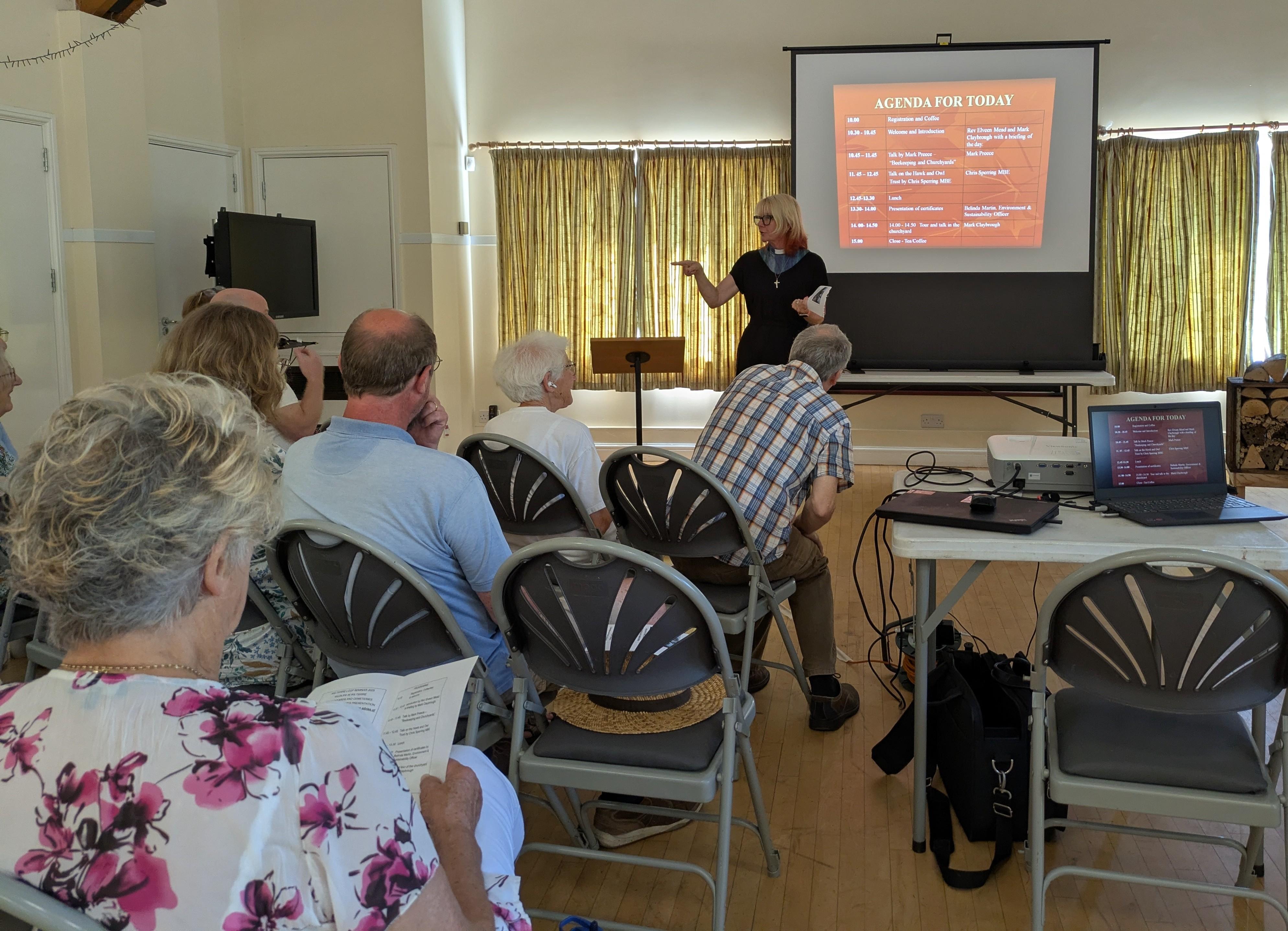
The inspiring projects recognised at this year’s seminar show what can be achieved when local communities come together with a shared vision. Whether creating wildflower meadows, installing bird and bat boxes, managing grasslands for wildlife, or simply adopting more nature-friendly approaches to maintenance, every action contributes to a richer and more resilient landscape.
If your church is wondering where to begin, why not explore the support available through the Living Churchyards Programme? One of the simplest and most engaging ways to connect people with church grounds is through the Big Butterfly Count. This family-friendly activity encourages people of all ages to spend time outdoors, discover the wildlife around them and contribute to a national citizen science project.
A single visit to count butterflies can spark curiosity, open conversations and inspire a deeper connection with nature. For some, it may even be the beginning of a longer journey—returning as regular visitors, volunteers or champions for creation care within their local church, progressing their Eco Church journey.
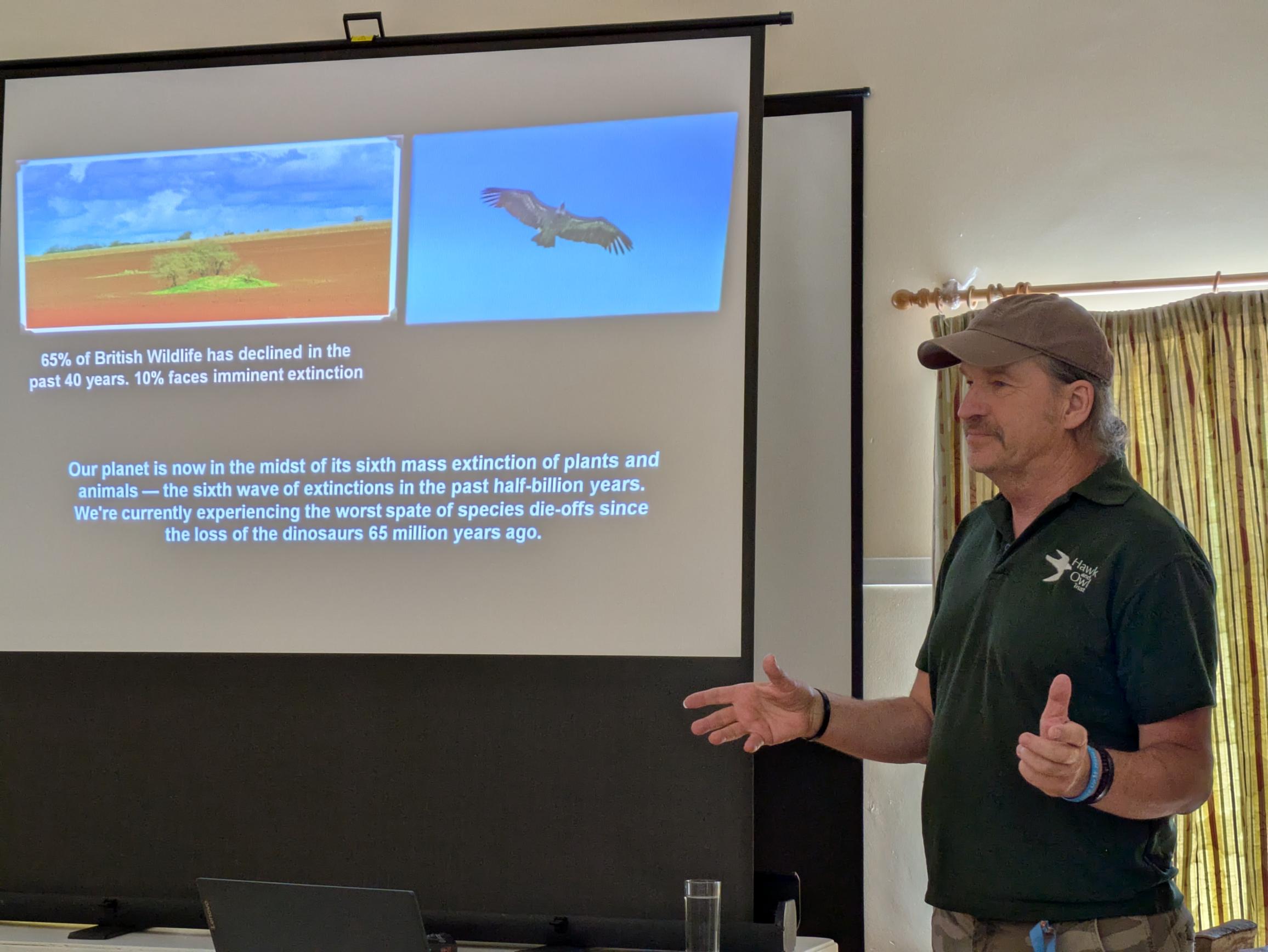
As these award-winning projects demonstrate, churchyards have the power to be places of beauty, sanctuary and hope. The Eco church approach underpins caring for these special spaces, churches are not only protecting wildlife today but helping to create a healthier, greener future for generations to come.
If you are interested in developing creation care in your church, please reach out to environment@bristoldiocese.org